Reversing Mill Plate
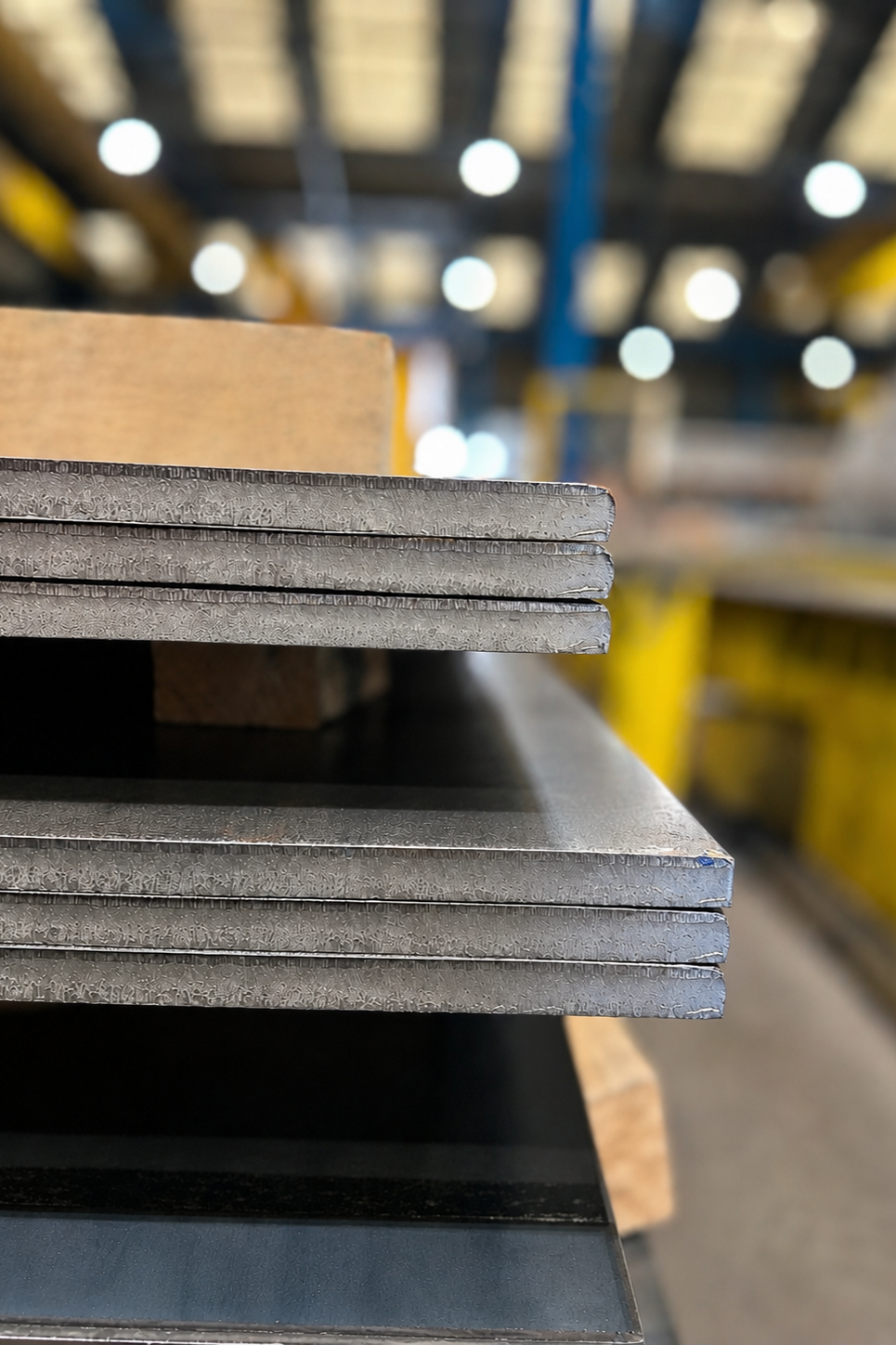
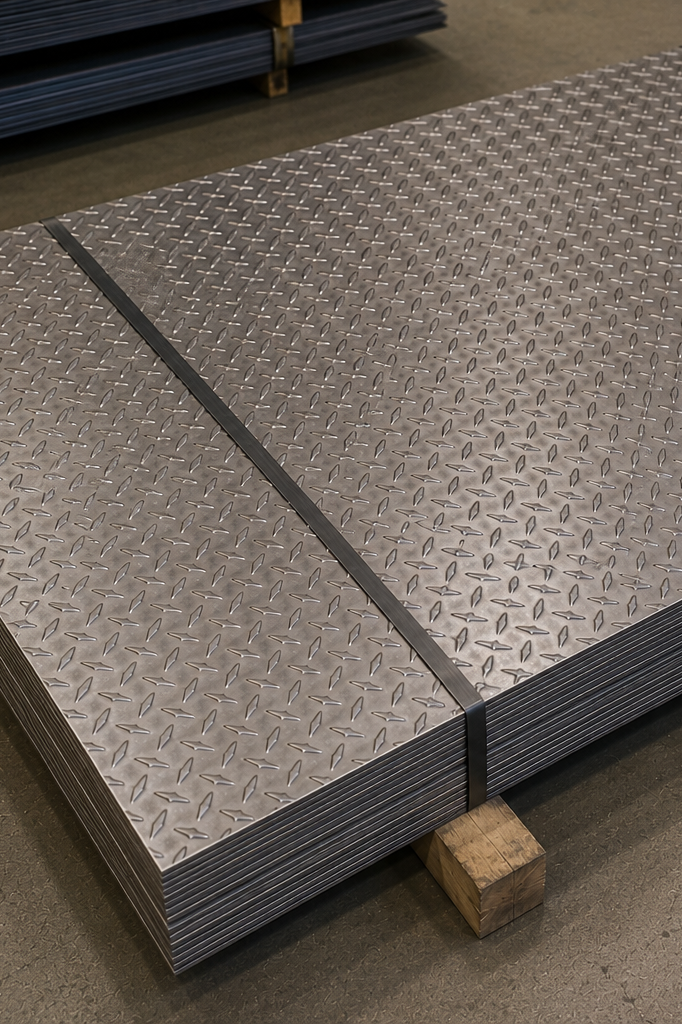
Reversing mill plate is a heavy-gauge, hot-rolled steel plate produced on a reversing mill, offering excellent strength, toughness, and dimensional accuracy. It is used across structural engineering, pressure vessels, shipbuilding, construction, and heavy fabrication applications.
We offer reversing mill plate across a range of standard grades and thicknesses to suit your application:
Grades
S275, S355 — general structural applications
S420, S460 — high-strength structural applications
P265GH, P355GH — pressure vessel applications
Wear-resistant grades available on request
Thickness Range
10mm to 250mm+
Custom thicknesses available on request
Available Forms
Cut to length
Profiled blanks
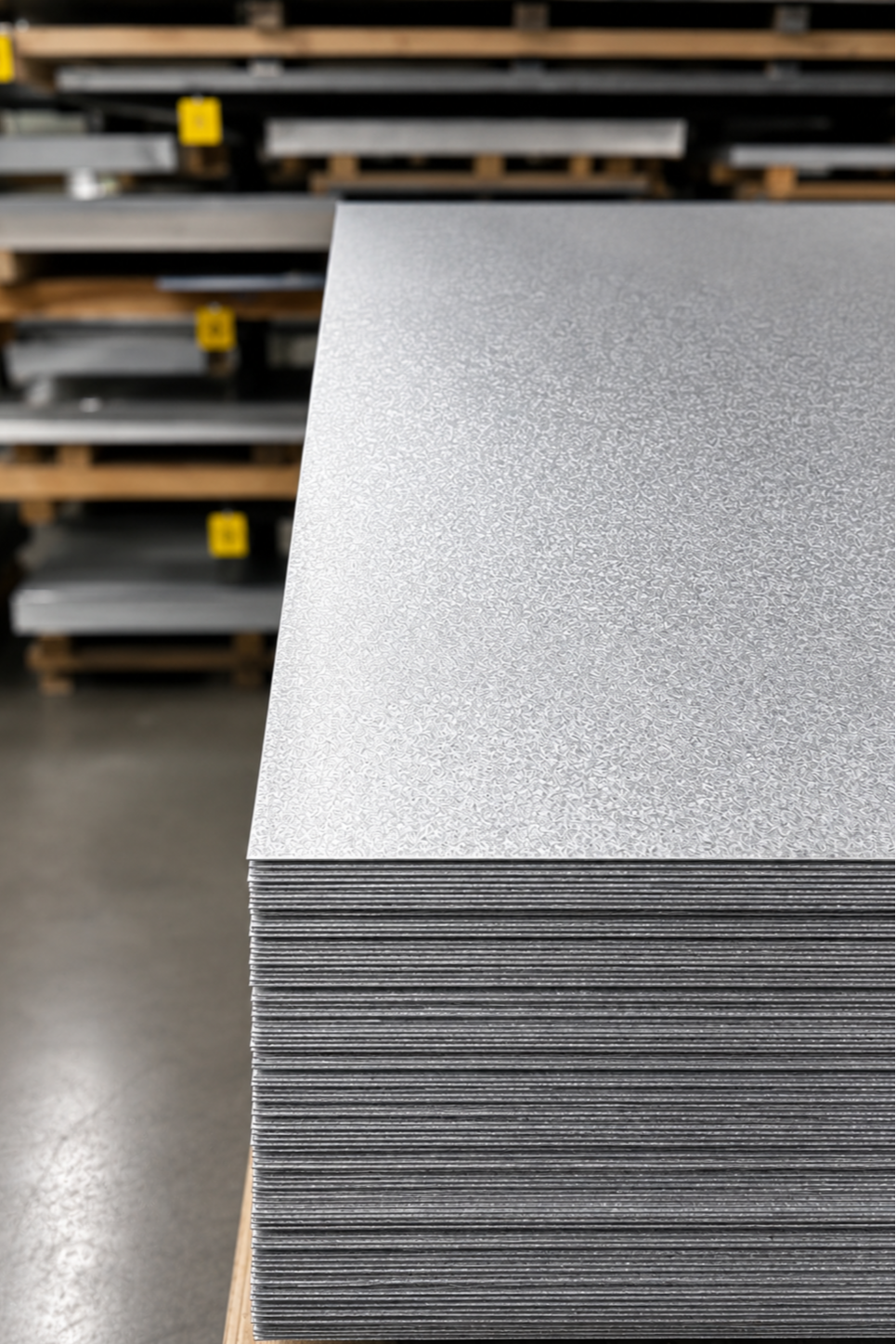
Standard sheet sizes
Frequently Asked Questions
-
Reversing mill plate is heavy hot rolled steel plate produced by passing an individual steel slab backwards and forwards through a rolling mill until the required thickness is achieved. It is also commonly known as quarto plate.
-
Reversing mill plate is rolled as an individual plate, while coil plate is produced as continuous strip before being coiled and subsequently flattened and cut. Reversing mill production is generally used for heavier, wider or more demanding plate requirements. The best option depends on the grade, thickness, dimensions, tolerances and intended application.
-
Reversing mill plate is commonly used for heavy machinery, structural fabrications, bridges, pressure equipment, storage tanks, lifting equipment, offshore structures, energy projects, shipbuilding and general heavy engineering. The required grade and certification should be selected for the loads and operating conditions involved.
-
Many structural reversing mill plate grades offer good weldability when the correct procedure is used. Welding requirements depend on the grade, thickness, carbon equivalent, joint design and service conditions. Thicker plate may require controlled heat input, preheating or other precautions determined by a qualified welding procedure.
Our Products
We supply a comprehensive range of Ferrous and non-Ferrous metals to suit a variety of applications.