Floorplate/Durbar
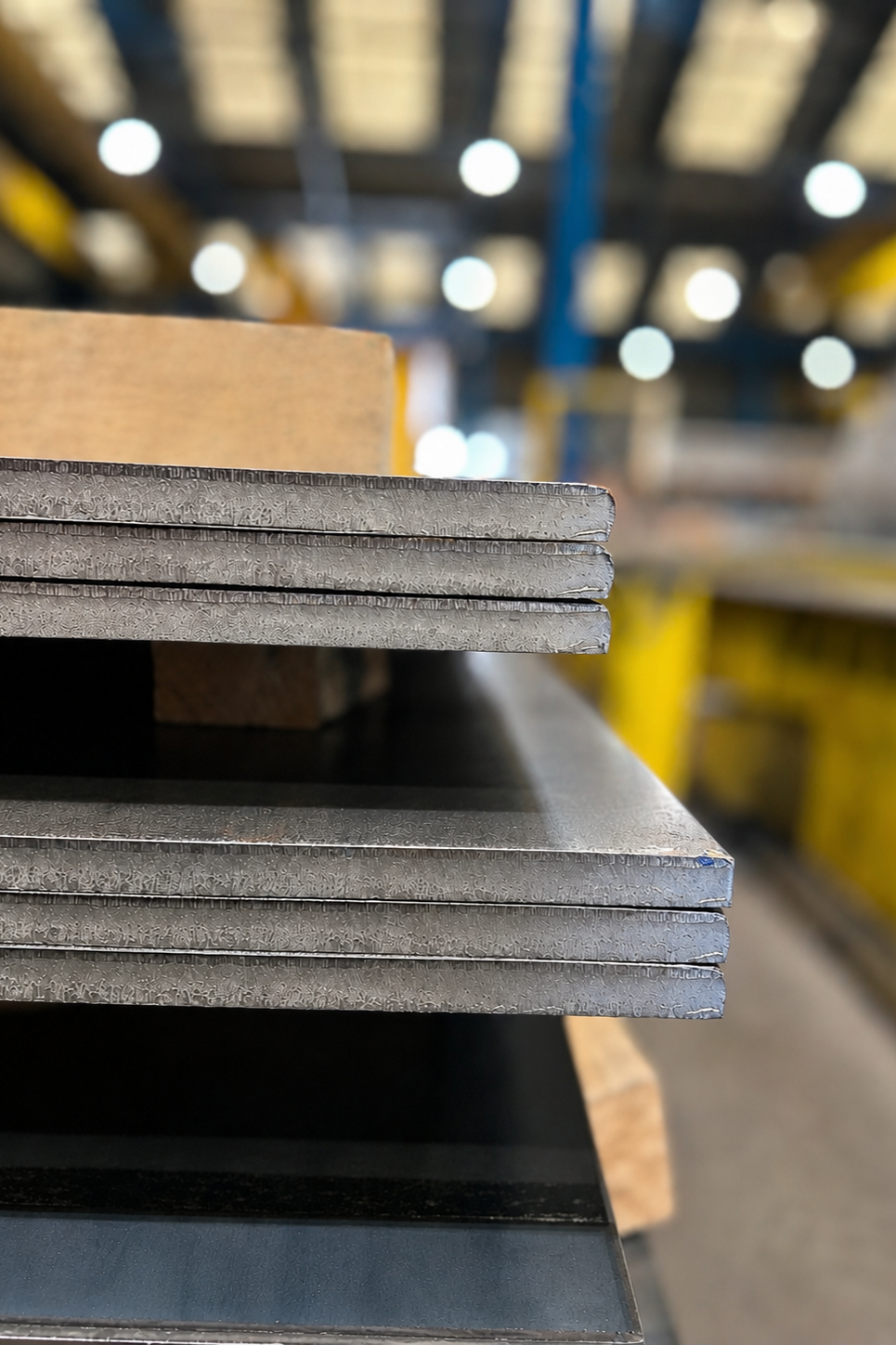
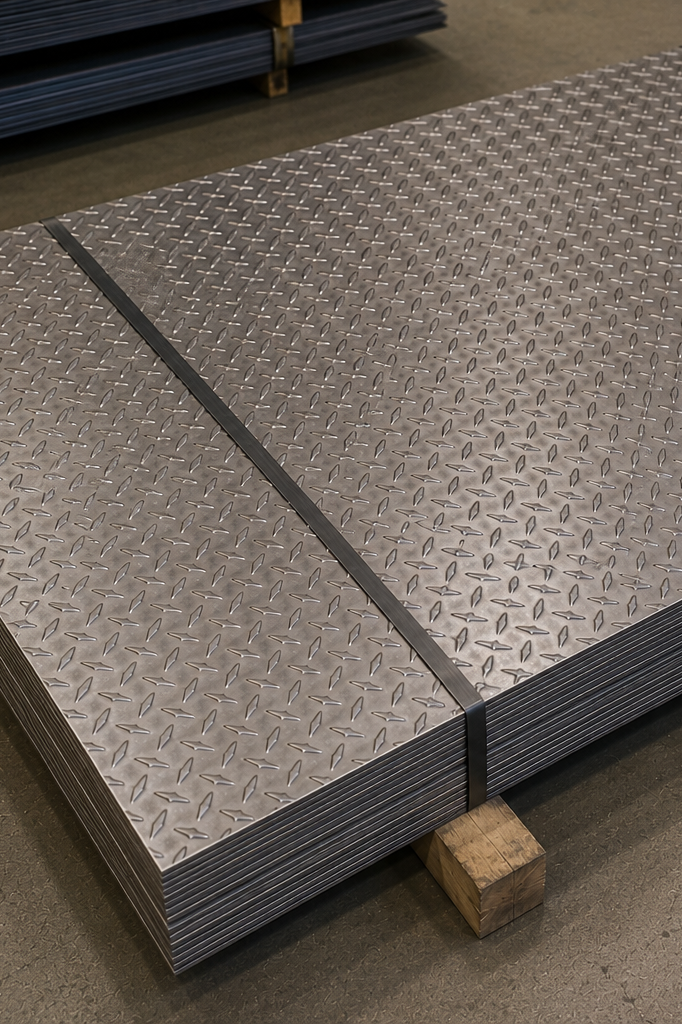
Floorplate, commonly known as Durbar plate or Checker plate, is a hot-rolled steel plate with a raised diamond or teardrop pattern that provides a non-slip surface. It is used across industrial flooring, mezzanine decking, vehicle bodywork, ramps, stair treads, and general fabrication applications.
We offer floorplate across a range of standard grades and thicknesses to suit your application:
Grades
S275JR — standard structural grade, suitable for most flooring and fabrication applications
S355JR — higher strength grade for demanding structural and load-bearing applications
Thickness Range
Typically 3mm to 12mm (nominal thickness, excluding pattern height)
Available Forms
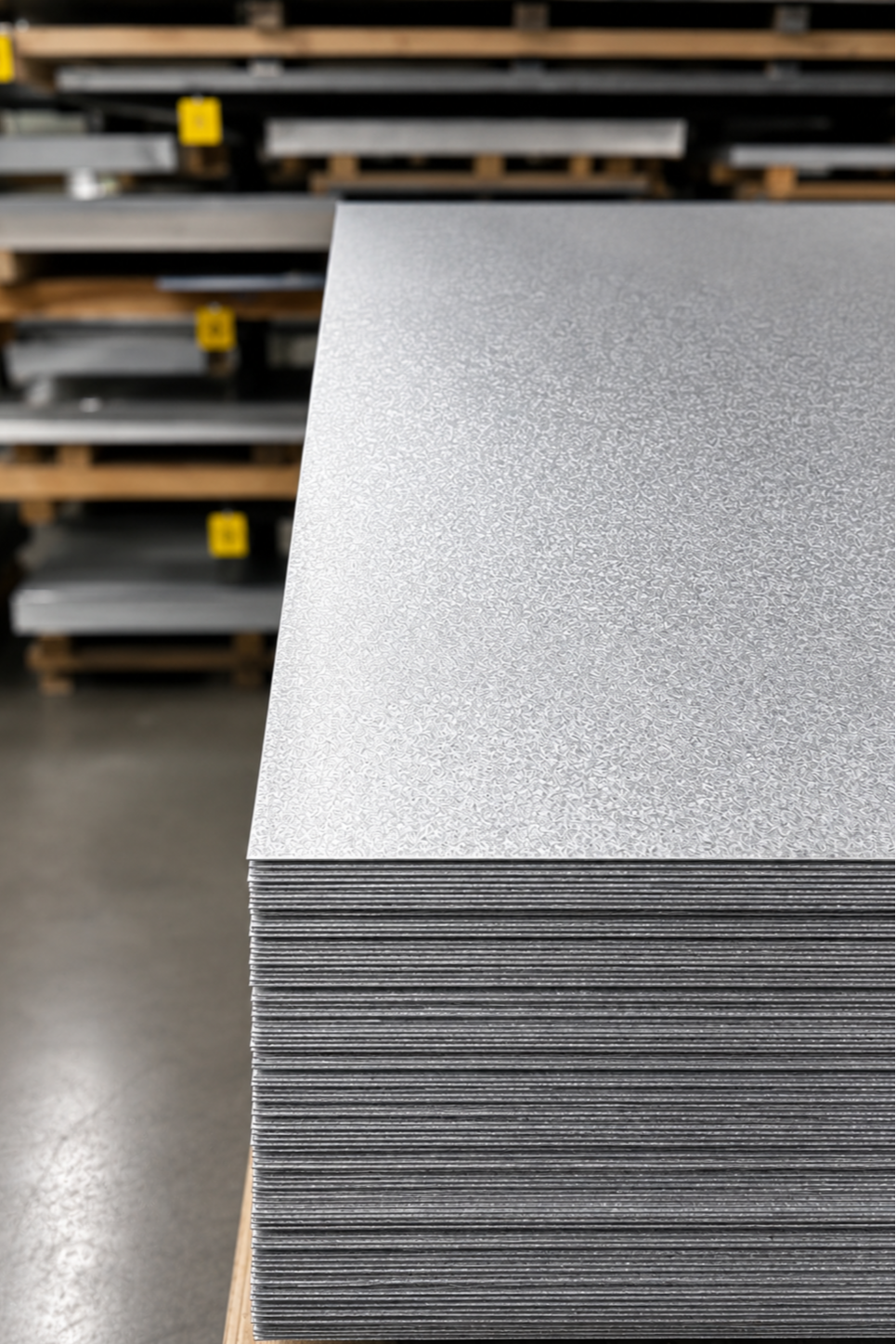
Standard sheet sizes
Cut to length
Profiled blanks
Frequently Asked Questions
-
Steel floor plate is hot rolled steel sheet or plate with a raised pattern on one surface. The patterned surface provides more grip than smooth steel and gives the material its distinctive appearance. It is also commonly described as tread plate, chequer plate, checker plate or diamond plate.
-
Durbar is Tata Steel’s branded structural floor plate, manufactured with a distinctive raised pattern that provides greater grip than smooth steel plate. Although “Durbar” is sometimes used informally to describe any patterned floor plate, genuine Durbar is a Tata Steel product. Matrix Steel can confirm the availability of genuine Tata Steel Durbar or suitable alternative floor plate for your required dimensions and application.
-
The raised pattern provides better traction than ordinary smooth steel, particularly for industrial flooring, steps and walkways. However, floor plate should not be described as completely slip-proof. Water, oil, mud, ice and other contaminants can still create a slipping risk, so the complete surface and environment must be included in any safety assessment.
-
Floor plate is commonly used for walkways, stair treads, ramps, platforms, trailer floors, vehicle steps, access covers, machine surrounds and industrial flooring. It is selected for applications requiring a durable steel surface with additional grip and resistance to everyday wear.
-
Floor plate thickness is normally specified as the thickness of the base metal, excluding the height of the raised pattern. The overall thickness will therefore be greater than the nominal plate thickness. Check the applicable product specification when calculating weight, clearances or structural performance.
-
Floor plate can be used for load-bearing floors, walkways and access platforms when correctly supported and specified. The required thickness depends on the span, loading, support arrangement, steel grade and acceptable deflection. Structural applications should be designed or approved by a suitably qualified engineer.
-
Floor plate can be painted, powder coated or galvanised where additional corrosion protection is required. The surface must be prepared correctly, and the coating process should provide adequate coverage around the raised pattern and cut edges. Galvanising may alter the appearance and dimensions slightly, which should be considered during design.
Our Products
We supply a comprehensive range of Ferrous and non-Ferrous metals to suit a variety of applications.