Aluzinc
Aluzinc is a high-performance, aluminium-zinc alloy coated steel used across roofing, cladding, construction, automotive, and general fabrication applications. It offers superior corrosion resistance compared to standard galvanised steel.
We offer Aluzinc across a range of standard coating classes and protective options to suit your application:
Coating Classes
AZ100, AZ150, AZ185
Aluminium-zinc alloy coating for enhanced corrosion and heat resistance
Protective Options
Skin Pass Treatment (SPT) — improved surface finish for forming and painting
Anti-Fingerprint (AFP) coating — transparent organic coating that resists fingerprint marks and minor corrosion
Available Forms
Sheet
Blanks
Slit coil
Full coil
Cut to length
Frequently Asked Questions
-
Aluzinc is steel sheet coated on both sides with an aluminium-zinc alloy using a continuous hot-dip process. The coating typically contains approximately 55% aluminium, 43.4% zinc and 1.6% silicon. It combines the barrier protection of aluminium with the sacrificial protection provided by zinc.
-
Galvanised steel is coated primarily with zinc, while Aluzinc has a coating made mainly from aluminium and zinc. Both products protect the underlying steel against corrosion, but they have different appearances, forming characteristics and performance in particular environments. The correct product depends on the application and required service life.
-
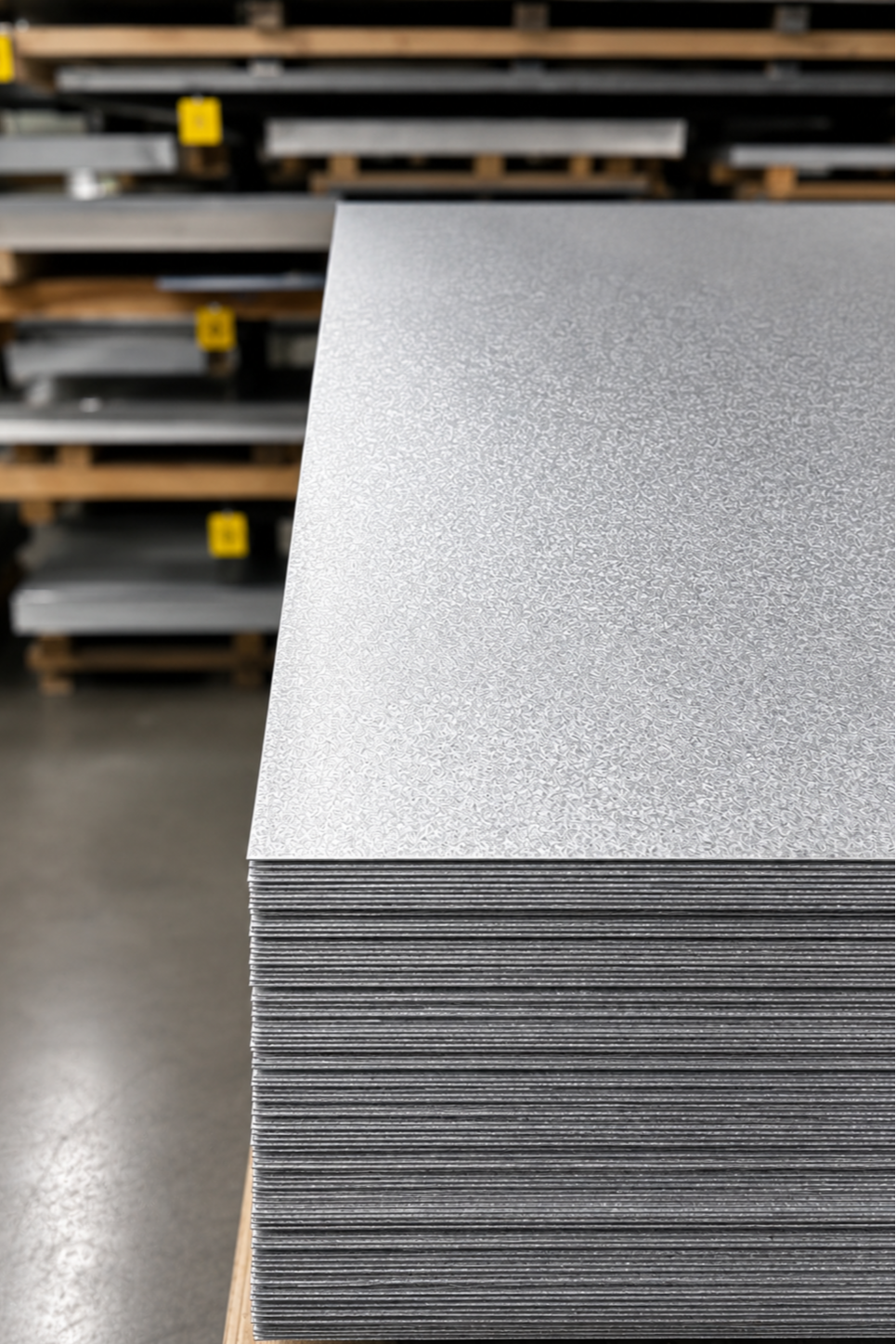
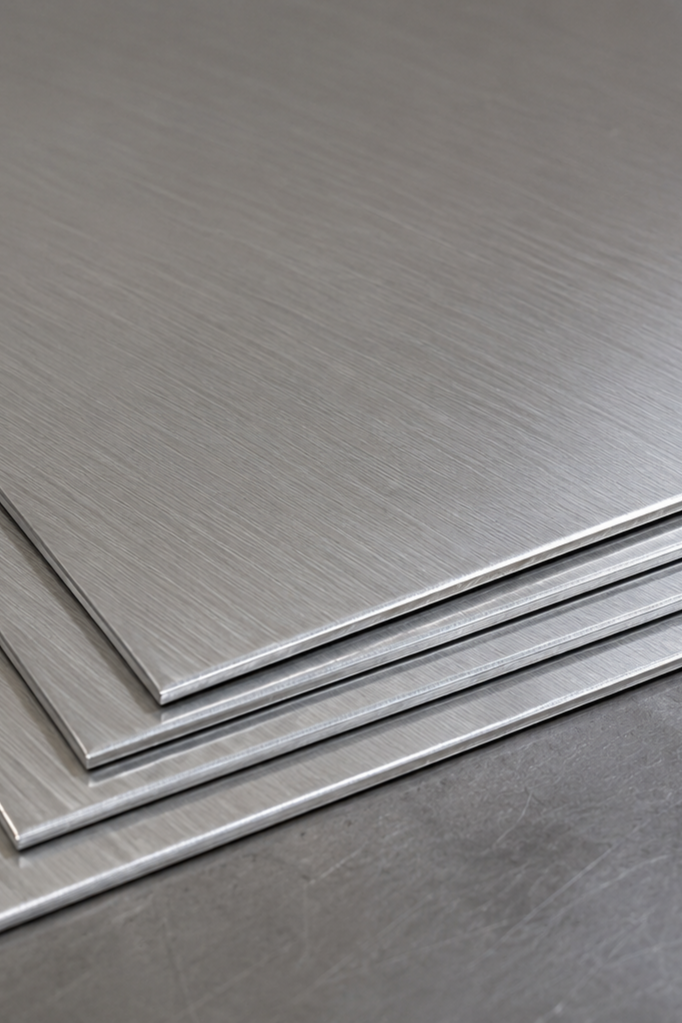
Aluzinc offers good corrosion resistance, heat and light reflectivity, surface hardness and resistance to abrasion. Its distinctive silver-grey spangled finish can also be left visible in suitable applications. These properties make Aluzinc a practical material for manufactured products requiring durability and an attractive metallic appearance.
-
Aluzinc is commonly used for roofing and cladding components, Petrochem components, ventilation equipment, electrical cabinets, domestic appliances, ductwork, heating equipment, industrial panels and general fabrication. The correct steel grade and coating specification should be selected for the forming process and intended environment.
-
Yes. Aluzinc is frequently used for external applications because its aluminium-zinc coating provides good resistance to atmospheric corrosion. Its service life will depend on the coating weight, local climate, installation design, maintenance and exposure to moisture, salt or chemicals. Suitability should be confirmed for particularly aggressive environments.
-
The aluminium-zinc coating significantly delays corrosion, but Aluzinc is not completely immune to it. Corrosion can develop if the coating is damaged, depleted or exposed to unsuitable environmental conditions. Correct storage, drainage, handling and material selection help maintain its performance.
Our Products
We supply a comprehensive range of Ferrous and non-Ferrous metals to suit a variety of applications.